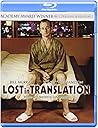

Lost in Translation [Blu-ray]
Product ID: 3073826
Details
- ContributorBill Murray
- FormatAC-3 Blu-ray
- GenreArthouse Drama
- Initial release date2010-12-07
- LanguageEnglish
Desertcart purchases this item on your behalf and handles shipping, customs, and support to UAE.
Bob Harris (Bill Murray) and Charlotte (Scarlett Johansson) are two Americans in Tokyo. Bob is a movie star in town to shoot a whiskey commercial, while Charlotte is a young woman tagging along with her workaholic photographer husband (Giovanni Ribisi). Unable to sleep, Bob and Charlotte cross paths one night in the luxury hotel bar. This chance meeting soon becomes a surprising friendship as they venture through Tokyo, having often hilarious encounters with its citizens, and ultimately discover a new belief in life's possibilities.Sofia Coppola's film, from her Academy Award-winning original screenplay, contemplates the unexpected connections we make that might not last — yet stay with us forever. Nominated for 4 Academy Awards including Best Picture, Ms. Coppola's Lost in Translation is a valentine to the nature of close friendships and to the city of Tokyo. Shot entirely on location in Japan, relive the stunning Tokyo cityscape in perfect Blu-ray picture quality. Bonus Content Review: You've gotta add this to your collection. - Without saying too much ..... it's a must see movie. A wonderful performance between Scarlett Johansson and Bill Murry. And it's set in Japan. Review: Two lonely contrarians disentangle their meanings of love SPOILERS - At the end, I could not help but feel underwhelmed and heartache for Charlotte and Harris, both parting ways back into their brooding, exhausting, isolating relationships. They both share emotional trauma, overly human needs for love, validation, respect and admiration, torn from "career" dreams by their outward projections for soul searching, in really trying to heal their shame, mutually blind envy, and ambivalent plans for marital abandonment; which led them into complicated "romantic" relationships. It does not depict Japanese culture fairly if the viewer critically speculates the settings beyond the lover's plight, and juxtaposes the city, the foreign as an antagonist with xenophobia; are the overjoyed not puzzling to the depressed? Perhaps I'm granting a lot of reasonable doubt for the rude manners Harris experienced vs Charlotte. I thought sex is portrayed here as a concept that can sell since it's impersonal, i.e. strip club scene, and the sanctity exclusively lives between lovers, i.e. unseen suggested scene; singing can escape from reality, i.e. the bar they met at or the vocalist after the one-night-stand, but it's not so bad when you escape in good company, i.e. the karaoke scene after the party and street roaming; eating out with some friends to share stories or accomplishments can still be more isolating than sparking conversation with a stranger to share silence or appreciate each other's experience, i.e. bar scenes. It's an irrational rebellion of two lonely contrarians throwing bashful fits and enjoying a hayride til they collide and feel accepted. The actual antagonist is the dishonesty that misled them into their wretchedness: deceiving oneself into pursuing a someone else, a relationship or misconstrued "love", for their meaning that is not mutually committed for each others careful admiration, acceptance, and growth. I believe love should be treated with a sanctity that permits discreet levity or playfulness, and not exalted to one's purpose in life; the film fails demonstrating the latter, but excels in the former. One must learn to love their self before another, but no one is raised with a perfect definition of love, especially as the vulnerability of love makes itself privy to betrayal, and the effects. So, I believe there's a compromise, often people search for their counterparts good qualities that inspire them, and sort of "complete" their overcompensated infantile understanding of love. One could judge society, i.e. culture shock, or a loved one with circumstances happening to them, and conform to plateaus of complacency. But if someone is truly lost, i.e. a stubborn "loved" one is misleading their life, taking back the reigns to meaning and repurposing their life and counteracting their plight to dependency, that breeds helplessness, demands courage. This is what these two lonely contrarians discovered together. If you live with someone who saps your courage, and makes you feel obligated to the extent that your actions are detrimental to your wellbeing, the relationship's toxic. Same goes for career relationships: I believe Harris had a terrible job and manager. I'd bet closure would've been well-received if he had left his job. It drove me nuts figuring out what Harris whispers to Charlotte during their final farewell: "Promise me, that the next thing you do, is go up to that man, and tell him the truth." The truth is left open-ended to the viewer as a soft-world, interactive device. I imagine it's that they're unhappy and miss the nonserious, nostalgic one-to-one vulnerable connections or dates, they once had with their younger selves. Harris reveals this in his intimate talk with Charlotte while they're both staring at the ceiling. Appreciation of each other's experiences, hurt and joy, are unequivocally lacking. This is what I think Harris wants to tell his wife, and has learned from his marriage; the need to impart helpful wisdom before Charlotte sinks as deep and becomes obligatorily-entangled as he has is what goads him out from the limousine, out of his ignorance for love, and shines hope into her quest for love and meaning. He does not "encourage" her or say I love you, he inspires and empowers her purpose, free from love for someone else, to find love for herself, decide and act contrary to her current "lover" for her own wellbeing. If people are storytellers, the easiest story to tell is the truth, especially when love turns awry. Main take-aways: Separate from people with toxic behavior. Don't put all your spiritual eggs into the romance basket. Diversify purpose with fulfilling work. Reaping benefits follows, but a hayride with a stranger may help if you've fallen short of the romance basket rule. Good though negatively gleaned messages of who one should and should not test or betray romantic relationships with, but what are some activities that may help rekindle your interests in your only romantic partner. In that way, this film is not a relaxing romance genre, but requires some arguing against it's narrative. My bias: I believe infidelity in marriage or romance is unnatural and this film treads on stretching that boundary too much, but strangely captures some of the humility in it, but not all of it. Leaves the viewer a little underwhelmed..




| Contributor | Bill Murray, Scarlett Johansson, Sofia Coppola |
| Customer Reviews | 4.6 out of 5 stars 5,523 Reviews |
| Format | AC-3, Blu-ray, DTS Surround Sound, Dolby, Dubbed, Multiple Formats, NTSC, Subtitled, Widescreen |
| Genre | Arthouse, Comedy, Drama |
| Language | English |
| Runtime | 1 hour and 42 minutes |
I**Z
You've gotta add this to your collection.
Without saying too much ..... it's a must see movie. A wonderful performance between Scarlett Johansson and Bill Murry. And it's set in Japan.
P**R
Two lonely contrarians disentangle their meanings of love SPOILERS
At the end, I could not help but feel underwhelmed and heartache for Charlotte and Harris, both parting ways back into their brooding, exhausting, isolating relationships. They both share emotional trauma, overly human needs for love, validation, respect and admiration, torn from "career" dreams by their outward projections for soul searching, in really trying to heal their shame, mutually blind envy, and ambivalent plans for marital abandonment; which led them into complicated "romantic" relationships. It does not depict Japanese culture fairly if the viewer critically speculates the settings beyond the lover's plight, and juxtaposes the city, the foreign as an antagonist with xenophobia; are the overjoyed not puzzling to the depressed? Perhaps I'm granting a lot of reasonable doubt for the rude manners Harris experienced vs Charlotte. I thought sex is portrayed here as a concept that can sell since it's impersonal, i.e. strip club scene, and the sanctity exclusively lives between lovers, i.e. unseen suggested scene; singing can escape from reality, i.e. the bar they met at or the vocalist after the one-night-stand, but it's not so bad when you escape in good company, i.e. the karaoke scene after the party and street roaming; eating out with some friends to share stories or accomplishments can still be more isolating than sparking conversation with a stranger to share silence or appreciate each other's experience, i.e. bar scenes. It's an irrational rebellion of two lonely contrarians throwing bashful fits and enjoying a hayride til they collide and feel accepted. The actual antagonist is the dishonesty that misled them into their wretchedness: deceiving oneself into pursuing a someone else, a relationship or misconstrued "love", for their meaning that is not mutually committed for each others careful admiration, acceptance, and growth. I believe love should be treated with a sanctity that permits discreet levity or playfulness, and not exalted to one's purpose in life; the film fails demonstrating the latter, but excels in the former. One must learn to love their self before another, but no one is raised with a perfect definition of love, especially as the vulnerability of love makes itself privy to betrayal, and the effects. So, I believe there's a compromise, often people search for their counterparts good qualities that inspire them, and sort of "complete" their overcompensated infantile understanding of love. One could judge society, i.e. culture shock, or a loved one with circumstances happening to them, and conform to plateaus of complacency. But if someone is truly lost, i.e. a stubborn "loved" one is misleading their life, taking back the reigns to meaning and repurposing their life and counteracting their plight to dependency, that breeds helplessness, demands courage. This is what these two lonely contrarians discovered together. If you live with someone who saps your courage, and makes you feel obligated to the extent that your actions are detrimental to your wellbeing, the relationship's toxic. Same goes for career relationships: I believe Harris had a terrible job and manager. I'd bet closure would've been well-received if he had left his job. It drove me nuts figuring out what Harris whispers to Charlotte during their final farewell: "Promise me, that the next thing you do, is go up to that man, and tell him the truth." The truth is left open-ended to the viewer as a soft-world, interactive device. I imagine it's that they're unhappy and miss the nonserious, nostalgic one-to-one vulnerable connections or dates, they once had with their younger selves. Harris reveals this in his intimate talk with Charlotte while they're both staring at the ceiling. Appreciation of each other's experiences, hurt and joy, are unequivocally lacking. This is what I think Harris wants to tell his wife, and has learned from his marriage; the need to impart helpful wisdom before Charlotte sinks as deep and becomes obligatorily-entangled as he has is what goads him out from the limousine, out of his ignorance for love, and shines hope into her quest for love and meaning. He does not "encourage" her or say I love you, he inspires and empowers her purpose, free from love for someone else, to find love for herself, decide and act contrary to her current "lover" for her own wellbeing. If people are storytellers, the easiest story to tell is the truth, especially when love turns awry. Main take-aways: Separate from people with toxic behavior. Don't put all your spiritual eggs into the romance basket. Diversify purpose with fulfilling work. Reaping benefits follows, but a hayride with a stranger may help if you've fallen short of the romance basket rule. Good though negatively gleaned messages of who one should and should not test or betray romantic relationships with, but what are some activities that may help rekindle your interests in your only romantic partner. In that way, this film is not a relaxing romance genre, but requires some arguing against it's narrative. My bias: I believe infidelity in marriage or romance is unnatural and this film treads on stretching that boundary too much, but strangely captures some of the humility in it, but not all of it. Leaves the viewer a little underwhelmed..
L**O
An exquisite little jewel of a film from Sofia Coppola
After watching "Lost in Translation" the thought that most stuck out in my mind was that this was Sofia Coppola's film. A lot of the talk about the film before the Oscars was about Bill Murray's performance, especially after he won the Golden Globe, but I did not think it was his best work. I would still insist that it was "Groundhog Day" where he displayed the greatest range and had his most heartfelt moments (i.e., the last night with Rita). As for Scarlett Johansson, "Lost in Translation" was not even her best performance of 2003. That would be her role as Griet in "Girl with a Pearl Earring." This is not to say that the performances by Murray and Johansson in this film are not excellent, but simply that both have done better. However, I do not think you can say the same for Coppola, since "Lost in Translation" is the second major film she has written and directed, the first being 1999's "The Virgin Suicide." The key difference is that this time Coppola is doing an original story and not an adaptation. The story is about two lost souls who meet in a Tokyo hotel and spend the night together, but not in the convention meaning of the phrase. Murray is Bob Harris, a movie star who has come to Japan to make a series of commercials for Suntory whiskey for big bucks, and while this keeps him far away from his wife and kids his phone calls home suggest his marriage is as much an obligation as this gig. Johansson is Charlotte, who has been dragged by her photographer husband, John (Giovanni Ribisi) on an assignment and is left to entertain herself while he is running around taking photographs of some minor Hollywood starlet (Anna Faris), and perhaps doing more. Our expectation is that Bob and Charlotte are going to end up in bed together, but Copolla is playing with our expectations. After all, two people can cling to each other through psychological intimacy as well as the physical. These two people are also in the middle of a neon colored alien environment with the late night Tokyo of karaoke bars and pachinko parlors. The dark hotel bar becomes a sort of womb that these two characters have reentered and are going to emerge from at the end of the film changed in some way that Coppola, in a masterstroke, decides not to share with the audience. Bob and Charlotte have their own lessons learned from this experience and Coppola leaves it to the audience you draw their own conclusions. "Lost in Translation" is a meditation, and for those who have not been married or who have never been a stranger in a strange land the realities of this fictional tale may well be lost. One of the reasons it stand out so prominently compared to the other films nominated for Best Picture Oscars in 2003 is that it is an intimate film while the others were either spectacles ("The Lord of the Rings: The Return of the King" and "Master and Commander: The Far Side of the World") or larger than life stories ("Mystic River" and "Seabiscuit"). But even an intimate mediation can be a jewel of a film.
J**I
Excellent, but Too Focused on Tokyo
Lost in Translation is a relatively slow-paced film, but quite interesting nonetheless. Two seemingly-opposite Americans - Bob, a former film star reduced to shooting whiskey commercials, and Charlotte, a young wife "forgotten" by her husband - happen to meet in the same Tokyo hotel, and, despite the fact that Bob could theoretically be Charlotte's father, they find much-needed comfort in each other as together they explore Japanese society. For those who know a bit about Japanese culture, the film takes on additional meanings, or at least the diverse elements of Japanese society are less foreign. The film takes place almost entirely in Tokyo, which is great, but there is also so much more that Japan can offer that it is a great downfall of the film that so little time is spent elsewhere - and this is seemingly just to show the conventional shot of Mount Fuji, as the core "action" of the time away from Tokyo could very easily have been done at a shrine in or near Japan's capital city. Unfortunately, Bill Murray (Bob) comes across as being extremely stiff throughout virtually the entire film, even in the "lighter" moments. Yet, this also works well, a visual representation of just how "lost" Bob feels in Japan - compounded by events back home. The cinematography is beautiful, portraying Tokyo quite nicely - especially at night. What is most surprising is the sheer pervasiveness of handheld shots throughout the film, subtly disorienting the (Western) viewer in relation to this (foreign) society. Unfortunately, due to two scenes of sexual content, Lost in Translation was given an "R" rating. While these scenes certainly are realistic in terms of Japanese culture, they are entirely unnecessary and highly atypical of the rest of the film - and of the "relationship" between Bob and Charlotte. The primary downfall of the DVD, however, is the set of previews - more than five minutes of material which cannot be skipped. The best Universal will allow is to fast-forward through these trailers. In the end, Lost in Translation is a wonderful film, and one which needs to be in the collection of everyone who has any connection with Japan - by blood, by friendship, or simply be appreciation.
L**W
Life lived…
Too true to my life…
J**B
Excellent mood piece
I watched this movie once, several months ago. I'm writing this review more about the impact the film left on me over time, rather than an immediate impression. Several reviewers call this a racist movie that belittles Japanese. I disagree. This movie isn't about Japan or about the Japanese people. It is about two Americans who are lost in a place where nothing is familiar so they are forced to confront their own problems and loneliness because there is nothing else for them to do. This story had to be made in a foreign place, and it could have been Tokyo, or it could have been Bombay, Bangkok or Madrid. But I understand the choice of Japan. The location needed to be where few speak English and where the culture is unfamiliar to the characters and most of the audience. If you put these two characters in a hotel in New York or Chicago they wouldn't have come together. They are so unalike that they had to be in a place where merely being American and lonely was enough to bring them together. This is a story about two people in a foreign place who are in no position to cope with their unfamiliar environs. That has less to do with who or where they are than the stages of life they are in. Bob is entering a classic mid-life crisis where his career is declining and he's losing touch with his family. Charlotte is young and newly married and is coming to grips with her new identity as the wife of a photographer who has little time or attention to give her and seems to have lost interest in her. They are struggling to find their own identities in times of transition. That's hard enough to do in comfortable, familiar surroundings, but transporting them to this crowded city of strange voices, smells, sounds and bright lights just amplifies their loneliness. Put these two characters in a US city and they'll find refuge in a bar, a movie theater,a book store, a museum, a ballgame or whatever. But put them in Tokyo and they are lost. They are not in a position to learn or appreciate the new and rich culture that surrounds them. They are looking for distraction and comfort but instead they find themselves feeling lost and out of place. So Coppola's treatment of Japanese characters isn't racist or demeaning. It is just a plot device used to emphasise how Charlotte and Bob are feeling. I found the story and characters very moving. It is deliberately paced slowly and is shot and scored to give it a dreamlike quality. It is a story of an unlikely friendship in an unfamiliar place, yet the story is so direct and human that it feels familiar. This movie isn't everyone's cup of tea. Action film fans should look elsewhere, as should fans of slapstick comedy. This subtle film needs to be given space to seep into your pores and transport you. The impatient and inattentive need not apply.
M**M
A postmodern examination of existential crisis
This film is about existential crisis. If you understand what existential crisis feels like, you will understand this film. If you haven't experienced it, likely this film will seem slow and pointless. There isn't much plot to speak of, and some viewers will likely feel alienated from the film because these characters don't know what they want out of life and aren't actively pursuing a concrete goal. That can translate into a somewhat languid, aimless progression from one scene to the next, floating and tugged along by circumstance. It's this feeling of alienation from life that forms the emotional core of the film. The title is a metaphor for the difficulty of transitioning from one phase of life to another, and of the alienation that accompanies losing one's purpose, being swept along by routine and social obligations. Both Bob and Charlotte are stuck in relationships that have lost all romantic passion, in jobs (or joblessness) they hate. In this transitory setting of a hotel in the dizzying, frantic city of Tokyo, Bob and Charlotte find kindred souls in each other. This film is high on affect, and low on typical plot and character progression. It's an excellent film (which is why it won awards and frequently appears on "best of" lists) which explores the theme that rather than length or convenience, relationships are forged and strengthened by the intensity of shared experience. If you have experienced existential crisis or enjoy whimsical, shoegaze-y films such as Garden State or HER, chances are you'd find something to appreciate about this film. HER, by the way, is often thought of as an artistic response to this film - Sofia Coppola and Spike Jonze were once married, and it's been suggested that the character John in Lost in Translation represents Jonze, and Rooney Mara's character Catherine in HER represents Coppola. A beautiful, modern classic in my opinion. It has soul and depth, and is one of my favorites of all time.
D**N
Sleepless in Seattle vs Mopey in Minato
Anyone who has been in Tokyo can attest that it is among the world’s most amazing cities. I haven’t been to Shanghai or Singapore, but can’t see how those places could be more visually intense and, to western eyes, more delightfully weird. The protagonists of “Lost in Translation” put in maximum effort not to enjoy it. Huddled in dark hotel rooms, glowering gloomily out windows, sulking in piano bars, they do their level best to ignore the myriad delights of the science fiction metropolis. When Ridley Scott wanted to build his Blade Runner city of the future, he cloned Shibuya and added rain (it does rain a lot, in Shibuya, admittedly). And Scott’s version was a pale copy. Incidentally, Tyrell’s slanting office building? That’s a scaled-up version of one on Daiba. Take a ride on the Yurikamome train, you’ll recognize it as you go by. Put it this way, any of the side streets in Shinjuku put Times Square to shame in sheer visual overload. And the world’s best public transit system, besides. Anyway, here’s a fantastic city of light, sound, image, offering pleasures and indulgences the average American hasn’t even imagined. And clean, and safe. Americans without a word of Japanese can wander without fear. They’ll get lost instantly and repeatedly, but they’ll have a great time doing so. And Sofia Coppola’s characters scarcely emerge from the Hilton, too jaded or timid to indulge. Bill Murray does jaded and depressed better than most anyone, so his role’s a snap. Scarlett Johannsson is trying for a put-upon entitled Ivy League snot, and is no more than OK. She’s gorgeous and kind of blank, but you could plug any of a dozen actors in and get the same effect. Or rather lack of affect. Her most defining character beat is that she feels superior to Anna Faris’ giggly starlet, a woman who’s actually enjoying being young and pretty and popular in an exciting city. How declasse! Faris is, gasp, shallow! And having a good time when she should be full of exhausted ennui. Scarlett’s got a Harvard philosophy degree, I mean. She has no interest in the philosophies of Japan, of course. Moping around a dark hotel room is more existential. She’s surrounded by a fascinating culture at turns inexplicable and familiar. There’s some vaguely funny encounters with pachinko arcades and non-American food, a tossed in and irrelevant bit in a strip club. But these brushes with foreign culture send the pair scurrying back to the cover of the hotel. Also, aren’t we past comedy bits of Japanese “R” vs “L”? There’s a whole world out there that doesn’t exist just for our amusement. Dip a toe in, Scarlett, you might enjoy it. Or at least do some philosophy on it. Check out the temples in Asakusa. You might even learn something. But they don’t. Murray has a one-night stand. Not in a soapland or love hotel, but in the hotel with an American. He may hate his carpet swatches, his marriage, his life. But he can’t do anything meaningful to change them. Scarlett is paralyzed because her husband is out doing work, meeting people, doing adult stuff. She moans that she can’t write, despite her Ivy League degree. And so, they mope around some more and Bill Murray goes home. Not before somehow picking Scarlett out of the mob at Shibuya Scramble, though. Let’s hug! And mutter! Incidentally, Murray’s limo is taking a very roundabout route from his Shiodome hotel to Haneda airport. For whatever reason, his driver winds them miles out of the way to Shibuya. Good quality video, if that helps, and I guess it does, some. Anyway, this fairly short movie seemed to drag on and on for this viewer. They could have had just as much ennui in Omaha. Or, if a more exotic location was required, Vegas. Or they could just stay home and be determinedly miserable. Hard to have empathy for these two. Even harder to have patience.
J**A
Bellissimo movie sulla vera sintonia tra uomo e donna
Bill Murray e Scarlet Johansson straordinari in nei loro rispettivi ruoli. Poi, il brano che chiude il film, Just like honey dei Jesus and Mary chain, è il compimento dell'opera! Gran bel lavoro della Sofia Coppola
A**S
Lost in translation - DVD.
Excelente producto en muy buen estado.
S**A
大好きな映画
極めて近い存在であるはずの家族や恋人でも、自分と他者との間にはとても遠い距離がある。 そんな孤独の中、異国の地で偶然出会ったボブとシャーロットが少しずつ互いの距離を埋めていく様子を、 ソフィアコッポラは劇中で描きながら同時に、自分と観客との遠い遠い距離をも埋めていく才能のある人だと改めて思う。 それは誰かを愛することと、とてもよく似ている。 たぶん現在、確認できる限りVODにほとんど無かったので、これを機に購入。 初めて観た時からもう10年以上経っているけど、ずっと心に残り続けている一本。 気がつけば、この映画の東京の面影を、現実の東京の中で探している自分がいる。
G**H
A Life's Lesson.
This is such an endearing film about the realities of life and love through the eyes of the 2 main characters of different ages. After the honeymoon phase of love has passed, the real life begins and with it comes a different kind of love that can either flourish or wilt. This film is beautifully acted and the setting is spectacular. The viewer actually wants to follow the story in hopes of seeing something beautiful and wonderful and the film delivers on this promise. Highly recommended for those who aspire to fall in love. G.Smith.
C**E
Es fühlt sich so real an
"Das wird hart", sagt Bob, bevor er in der Karaoke-Bar Roxy Music's "More Than This" anstimmt. Er schaut zu Charlotte. Sie erwidert kurz seinen Blick, lächelt, scheint zu verstehen. Dass dieser Satz sich nicht nur auf die Intonation bezieht (die zwar nicht trivial ist, wie sich zeigt, aber wir haben Bob vorher schon recht anständig singen hören). Nein, das Lied scheint auszudrücken, in welcher Situation sich Charlotte und Bob befinden. Sie wissen nicht, wie es weitergehen kann - aber sie spüren, dass es nicht mehr viel besser werden wird. Diese intensive Nacht des gemeinsamen Um-die-Häuser-ziehens erfährt eine kurze Zäsur, als beiden der Trubel des Tokioter Nachtlebens endgültig zuviel geworden ist. Auf dem Gang vor dem Karaokeraum, einem der unwahrscheinlichsten Orte um zu sich zu kommen, setzt sich Bob neben Charlotte, zieht an ihrer Zigarette, während sie den Kopf auf seine Schulter sinken lässt. Jedes Wort wäre jetzt zuviel. Später wird Bob die schlafende Charlotte auf ihr Zimmer tragen, wird sie behutsam zudecken, sie wird kurz erwachen, um ihn anzulächeln und endgültig einzuschlafen. Sein Zögern beim Zuziehen ihrer Zimmertür benötigt keine Worte. Drei fast sprachlose Momente aus diesem wunderbar atmosphärischen Film, die schon belegen, dass Sofia Coppola weiß, was sie will, und es auch umsetzen kann: Nämlich uns keine Geschichte erzählen, sondern sie uns fühlen und selbst erleben lassen. So soll Film sein. Eine dichte Atmosphäre schaffen, in die sich der Zuschauer mit seinen eigenen Gefühlen, Erfahrungen und Werten einbringen kann. Nicht das Was zählt, nur das Wie. Und in diesem kleinen Wunder gibt es fast nur das Wie. Beide hat die Isolation in der für sie fremden Welt Tokios, die nur eine Steigerung des Gefühls der Isoliertheit in ihrem Alltag darstellt, zueinander geführt. Ein Blick im Fahrstuhl erst nur, mit einem reflex-artigen Lächeln erwidert, dann ein "Hallo" an der Hotelbar, als beide - nicht nur wegen des Jet-Lags - nicht schlafen können (während Charlottes Ehemann, dem die fremde Umgebung in seiner Geschäftigkeit nichts auszumachen scheint, schnarcht). Alles ganz normal. Doch dann passiert etwas Kostbares: Sie haben nicht nur jemanden gefunden, der endlich in ihrer Muttersprache mit ihnen spricht, sondern jemanden, der überhaupt mit ihnen spricht statt Smalltalk zu betreiben. Jemanden der zuhören kann. Der versteht. Beide befinden sich in schwierigen Phasen ihres Lebens: Charlotte, Mitte 20, hat grade ihr Philosophiestudium in Yale abgeschlossen und sieht sich nun, noch völlig unentschlossen in der Berufswahl, an der Seite ihres Mannes einem Leben ausgeliefert, das sie für oberflächlich hält und das ihr keine Perspektiven bietet. Sie sucht Geborgenheit, Halt und Orientierung. Bob, mindestens drei Jahrzehnte älter, steht eigentlich schon im Leben, sollte man meinen. Zumindest war das mal so sehr der Fall, dass er nun als ehemaliger Filmstar für zwei Millionen Dollar Whisky-Werbespots in Japan dreht. Aber genau das ist sein Problem. Er würde viel lieber zuhause für eine bescheidene Gage Theater spielen. Stattdessen muss er in der Fremde schuften, damit seine Frau daheim das zusätzliche Geld für ein neues Haus ausgeben kann. Der einzige Kontakt in die Heimat ist logistischer Natur: Da hat er lediglich Schränke und Teppichmuster auszuwählen, die per Fax und FedEx geschickt werden. Dabei hat Bob mehrere Kinder. "Es geht ihnen gut. Sie vermissen Dich, aber sie gewöhnen sich daran, dass Du nie da bist", lässt seine Frau ihn wissen. Bob aber möchte gebraucht werden. Und zwar nicht nur für die Werbung von Suntori-Whisky. "Die gute Nachricht ist: Der Whisky wirkt", schließt er sarkastisch, und fragt dann Charlotte, die ganz perplex ob seiner offen eingestandenen Probleme ist, was sie mache: "Ich habe mich noch nicht entschieden". Wie lang er verheiratet sei, will sie wissen. "25 Jahre". Etwa so lang wie sie alt ist und eine Ewigkeit gegen ihre 2 Jahre. Aber davon könne man 1/3 Schlaf abziehen, also wäre er grade 16 Jahre verheiratet, da wäre man ehemäßig also noch ein Teenager, könne zwar schon fahren, aber es könne noch leicht zu Unfällen kommen. Eine charmante Art, beim ersten Flirt mit einer offenbar nicht abgeneigten attraktiven jungen Frau, die einen an der Hotelbar angesprochen hat, einen Seitensprung zumindest als Option anzudeuten. Doch der Flirt und dann immer stärker das Gespräch genießen ganz offenbar bei beiden höhere Priorität. Und wer einmal selbst aus beruflichen Gründen dieses Hotelleben geführt hat, die tristen Abende vor dem Fernseher kennt, die einsamen Essen im vollbesetzten Restaurant, die oberflächliche Höflichkeit der Hotelangestellten, der kann verstehen, was eine solche echte Begegnung mitten in der Einöde bedeuten kann. Die beiden sind nicht auf ein sexuelles Abenteuer aus, auch wenn die Option stets im Raum schwebt. Sie versuchen lediglich ihr Leben im Griff zu behalten bzw. in den Griff zu kriegen. Dazu müssen sie raus aus dem oberflächlichen Trubel, der sie vom Wesentlichen, von sich selbst und voneinander, abzuhalten scheint. "Wissen Sie was?" sagt Bob, "ich plane einen Gefängnisausbruch und kann noch eine Komplizin gebrauchen. Hier ist mein Plan: Zuerst müssen wir aus dieser Bar raus, dann aus dem Hotel, der Stadt und dann aus diesem Land. Sind Sie dabei?" - "Überredet, ich packe meine Sachen" - "Der Mantel genügt" Schon ganz zu Beginn ein sanfter Hinweis auf die Grenzen dieses Abenteuers. Denn alles wäre möglich, alle Optionen sind offen. Bob weiß das oder spürt es intuitiv. Charlotte sehnt sich offenbar so sehr nach jemandem, mit dem sie ihr Leben gestalten kann, dass er sie leicht verführen könnte; sicher zu einer gemeinsamen Nacht, vielleicht -und das macht ihm Angst- zu der Illusion von einem gemeinsamen Leben. Aber er ist auch erfahren genug zu wissen, dass es keine wirklichen Optionen für beide gibt - außer diese kostbaren Augenblicke der intensiven Zweisamkeit, der romantischen Utopie zu genießen. Zu leicht könnte er sie verletzen, zu leicht sein ganzes Leben aufs Spiel setzen. Bob hat bereits gelernt, Utopien zu misstrauen und mit Kompromissen zu leben - eine Lektion, die Charlotte grade durchmacht, was ihr von ihrem Ehemann den Rüffel einträgt, sie sei hochnäsig. Sie hatte sich nämlich über ein mit ihm bekanntes oberflächliches schauspielerndes Fotomodell lustig gemacht, der sie sich gleichzeitig unter- und überlegen fühlte, wie ihre verräterisch befremdet musternden Blicke offenbarten. Eine spätere lustig-traurige Spiegelung der Karaoke-Szene mit ebendiesem Fotomodell wird deutlich machen, wie die wirklichen Kräfteverhältnisse sind, wenn es darum geht, im Leben zu stehen. Denn während ebenjene Kelly Gemeinsamkeiten darin erschöpft sieht, zwei Hunde zu haben und in L.A. zu leben, und bei Tisch nur Themen wie Anorexia und Darmspülungen kennt, bemüht sich Charlotte mit offenen Augen durchs Leben zu gehen. Sie interessiert sich für die fremde Umgebung, für Menschen und Kultur, auch wenn sie wie Bob immer wieder über Sprachbarrieren stolpert. Die wirkliche Bedeutung von Sprache wird ihr eines Tages nach einem Tempelbesuch bewusst. Verstört und unter Tränen erzählt sie ihrer Mutter am Telefon: "Ich habe einen Tempel besucht, aber ich habe die Mönche nicht verstanden. Mom, ich war überhaupt nicht berührt! Und John? Es ist, als ob wir nie miteinander sprechen. Ich weiß gar nicht, mit wem ich verheiratet bin" - "Warte einen Moment, Schätzchen! ... So, was hast Du gesagt?" - "Ach, vergiss es, es war nicht so wichtig" - "Ich muss jetzt auch los. Ruf mich später noch mal an. Du kannst jederzeit anrufen, um mit mir zu sprechen" Dieses Telefon"gespräch" gleicht gespenstisch denen, die Bob mit seiner Frau führt. Überhaupt ist allgegenwärtige Kommunikation ein Dauerthema: nervige Handygespräche, Faxe um 4:20 nachts, all das meistens ohne relevanten Inhalt. Da gleicht eine unter der Zimmertür hindurch geschobene Nachricht "Bist Du noch wach?" als Einladung zum Gespräch fast einem Relikt aus der guten alten Zeit, in der die Menschen vermutlich auch nicht mehr relevante Gespräche geführt haben, dafür aber deutlich weniger irrelevante. Also folgt die Nacht, in der es üblicherweise in romantischen Filmen "funkt". Nicht so hier. Zum einen sind beide bereits längst auf einer Wellenlänge, zum anderen geht es hier von Anfang an weder um Liebe auf den ersten Blick noch um ewiges Zusammensein. Stattdessen gibt es hier noch viel zu lernen. Für Charlotte. Für Bob. Und für den gebannten - und hoffentlich längst schwebenden - Zuschauer. Ob es einfacher werde, will Charlotte wissen. Wenn man wisse, was man wolle und wozu man stehe, lasse man nicht mehr alles an sich ran, erwidert Bob. Aha! "Und in der Ehe, wird es da einfacher?" - "Das ist hart", sagt er mit den gleichen Worten wie zuvor beim Karaoke. "Wenn man Kinder hat, wird das Leben komplizierter" - "Und niemand sagt einem das vorher" - "Richtig! Der erschreckendste Tag ist der, an dem Dein erstes Kind geboren wird. Dein ganzes Leben, wie Du es kanntest, ist vorbei, für immer verloren". Sie sieht ihn empathisch an. Klingt so ein Mann, der im Begriff ist, seine Familie zu verlassen? "Doch dann - fangen sie an laufen und sprechen zu lernen, und Du willst jeden Moment bei ihnen sein. Sie werden zu den zauberhaftesten Wesen, mit denen Du zusammen sein kannst". Er sieht sie an. Sie erwidert seinen Blick und versteht. Er kann auf ein Leben blicken, das sie erst noch führen muss. Ein solches Leben, so vergleichsweise bescheiden es im Moment auch aussehen mag, will erst gelebt sein, mit allen Höhen und Tiefen, mit der nötigen Kontinuität. Man wirft es nicht einfach weg für eine flüchtige Idee von Glück, die man ohnehin zerstört, wenn man versucht sie festzuhalten. Charlotte, selbst noch auf der Suche, muss erkennen, dass Bob als Option für sie ausscheidet. Plötzlich sehen wir die Beziehung der beiden mit anderen Augen: Sieht er sich vielleicht eher als väterlichen Freund denn als potentiellen Geliebten? Das würde eine gewisse Schieflage in der Beziehung erklären, aber auch diese wundervoll-zarte, auf Behutsamkeit bedachte Vertrautheit. Endlich hat er wieder jemanden gefunden, der ihn zu brauchen scheint. Er will Charlotte auf die Füße helfen (ob mit oder ohne verstauchte Zehen), will ihr Mut machen ihren Weg zu verfolgen. Mehr kann und wird er nicht für sie tun. Und das beginnt jetzt auch sie zu realisieren. Gewiss, er will bei ihr sein, er genießt jede Sekunde, jeden Blick, jedes Lächeln ihrer zwischen Kindlichkeit und Sinnlichkeit schwankenden Lippen. Aber viel Zeit bleibt ihnen nicht, das hat Bob viel früher realisiert als Charlotte, die noch im Meer der jugendlichen Freiheit zu treiben scheint. Bei ihm hat sie die vermisste Nestwärme gefunden. Doch bald wird er sie aus dem Nest stoßen müssen, damit sie zurück in ihr Leben kann und er in seins - zu seiner eigentlichen Verantwortung, die wieder zu übernehmen diese Begegnung ihm vielleicht Kraft verliehen hat. Nebeneinander auf dem Bett liegend, sie fast in Fötushaltung, dämmern sie langsam weg, ermattet von der Schlaflosigkeit und von ihren Gefühlen. Ob sie wirklich hochnäsig sei, will sie im Halbschlaf wissen. Er lacht, legt seine Hand wie zum Trost und zur Rückversicherung sanft auf ihren Fuß. Nach einer halben Ewigkeit sagt er: "Grade noch zu ertragen". Nach dieser Nacht kann die Beziehung nicht mehr dieselbe sein. Da hilft auch nicht, dass sie den nächsten Tag aus Termingründen getrennt verbringen. Möge Charlotte helfen, was sie nach der Beobachtung einer Hochzeitszeremonie einem Baum voller Wunschzettel anvertraut (was wohl auch eine kleine Reverenz an Wong Kar-Wais IN THE MOOD FOR LOVE ist, in der sich der unglücklich liebende Mann endlich gegenüber einem Baum in einer Tempelanlage seine Seele erleichtert). Am Abend jedenfalls wartet Bob in der Bar vergebens auf Charlotte. Ihr kommt die Barsängerin zuvor, die selbst wie eine Gestrandete wirkt, was besonders ihr Vortrag von "Scarborough Fair" zeigte, der mittendrin durch Klatschen unterbrochen wurde - Versagen der Kommunikation in der doch gemeinhin für international gehaltenen Musik. Erschrocken und über sich verärgert findet Bob sich am nächsten Morgen mit ihr auf dem Zimmer - und wird prompt von Charlotte "ertappt". Die anschließende "Eifersuchtsszene" in einer Sushi-Bar, bei der beide sich mit ihren Problemen brüskieren (sie ihn mit seinem Alter, er sie damit, dass er in ihrer Einsamkeit nur ein Notnagel sei) zeigt die Verbitterung beider Seiten über die Situation. Es wirkt aber auch schon ein klein wenig wie ein Schutzreflex des trotzigen Wegstoßens vor dem endgültigen Abschied. Dann setzt ein Schweigen ein, das weniger den Anschein stiller Übereinkunft macht als vielmehr das Gefühl vermittelt, den Bogen überspannt, den Moment überreizt zu haben. War doch mehr als der Mantel im Spiel? Die zufällige Begegnung in der letzten Nacht am Rande eines Feueralarms zeigt erschreckend deutlich, wie die beiden sich schon voneinander gelöst zu haben scheinen, jedoch wirkt ihre Beziehung eher abgebrochen denn abgeschlossen. Sie blickt auf seine alten Männer-Füße in den Hotel-Badelatschen und lächelt in sich hinein. Gute-Nacht-Küsse im Fahrstuhl. Verlegen und eher dem schlechten Gewissen als dem Gefühl geschuldet. Es ist zu spät. Eine Mischung aus Trauer und sprachlosem Zorn prägt den halbherzigen Abschied am nächsten Morgen, bei dem übrigens um ein Haar die sonst allgegenwärtige Telekommunikation versagt. Er nimmt eine geliehene Jacke als Vorwand, sie zum Abschied noch einmal sehen zu wollen. In seinem auf ihre Voicebox gesprochen Satz "Enjoy the jacket that you stole from me" kann man nach Belieben auch "heart" oder "life" einsetzen. "Willst Du mir nicht einen guten Flug oder so wünschen?" - "Okay". So traurig verläuft der Abschied dieser beiden Menschen, die über die gemeinsame Sprache zueinander fanden und zwischendurch so wunderbar auch ohne Worte kommunizierten. Wunderbar die Einstellung, als Bob Charlotte aus der Lobby entschwinden sieht und die Spiegeltüren des Lifts sein Reisegepäck an ihre Stelle setzen. Was die Begegnung ermöglichte, erzwingt jetzt ihr Ende. Doch der unsere Leben prägende Zufall schenkt ihnen noch eine Chance, dieser wunderbaren Beziehung, für die die Zeit still zu stehen schien, um dann umso gnadenloser voranzuschreiten, einen würdigen Abschluss zu geben. In einer Masse fremder Menschen entdeckt Bob Charlottes Silhouette. Er lässt den Wagen halten und läuft ihr nach. Endlich einmal traut er sich sie zu umarmen. Er flüstert ihr etwas ins Ohr, das nicht für uns bestimmt ist. Wir schnappen nur die letzten Worte auf: "I'm sure". Langsam sieht sie den erlöst winkenden Bob entschwinden. Sie haben ein winziges Stück gemeinsamen Lebensweges zurückgelegt. Es hat keinen Zweck, sich an der Gabelung aneinander zu krallen. Jeder muss seinen Weg weitergehen. Aber wenn beide einst darauf zurückblicken, werden diese sprachlosen Tage in Tokio mehr sein als eine beliebige Reiseepisode. Was auch immer Bob ihr gesagt haben mag, ich bin mir ebenfalls sicher. Charlotte wird es umsetzen können. Sicher wird sie noch oft verletzt werden, schon weil sie nicht immer auf so behutsame Partner wie Bob treffen wird. Doch wie uns das Sprichwort lehrt: "Ein Schiff ist am sichersten im Hafen, aber dafür sind Schiffe nicht gebaut" (oder wie die Tagline des Films es plakativer ausdrückt: "Manchmal muss man um die halbe Welt reisen, um an seinen Ausgangspunkt zu kommen"). Hoffen wir also mit Bob, dass er für sie - und sie für ihn - ein positiver Impuls war und eher eine schöne Erinnerung denn Trauer hinterlässt. Und dass sie, statt sich zum Schutz ebenfalls in die Hülle der Geschwätzigkeit zu begeben, weiter mit Vertrauen und offenen Augen durch das Leben geht. Im Film findet das seinen wunderbaren Höhepunkt bei einem japanischen Ikebana-Kurs, wo sie sich verblüfft und dankbar an der Hand nehmen und zeigen lässt, wie sie die Blüten zu stecken habe. "Okay" sagt sie immer wieder zart, das einzige Wort, von dessen Verständlichkeit sie ausgehen kann. Dabei reden ihre Augen so viel mehr, erzählen ihrer Lehrerin von Aufmerksamkeit und Dankbarkeit. Und von leiser Enttäuschung und Orientierungslosigkeit, als diese sich anderen Schülern zuwendet. Doch einen Moment später fasst Charlotte sich ein Herz und greift einen weiteren Zweig... Fazit: In LOST IN TRANSLATION scheint die Zeit still zu stehen, während man den Protagonisten zurufen möchte, dass sie unaufhaltsam verrinnt. Für diese desperate bis melancholische Atmosphäre, braucht man kein Dogma und keine Handkamera, sondern einen wirklich begabten Regisseur und Akteure, die auch ohne große Handlung dem Zuschauer jeden Moment das Gefühl geben können, er verstünde, was in ihnen vorgeht. Bill Murray ist zu einem Charakterdarsteller gereift, der nur noch in wenigen und überhaupt nicht deplaziert wirkenden Momenten an den Clown früherer Tage erinnert. Und er hat hier mit Scarlett Johannson eine Partnerin, die schafft, was für diese Rolle essentiell ist: Man möchte sie fast in jeder Sekunde, in der sie auf der Leinwand ist, in den Arm nehmen und trösten. Beide erzeugen Momente von wunderbarer Intensität und Melancholie. Sofia Coppola ist mit ihrer zweiten Regie ein Film von solcher Wahrhaftigkeit gelungen, dass es schon fast schmerzt, sich an ihn zu erinnern. Ihr kommt dabei entgegen, dass ihre bravourösen Hauptdarsteller ihren stets dem Moment gewidmeten Inszenierungsstil kongenial unterstützen. Hervorragende Kamera, Schnitt und ein passender Soundtrack tun ihr übriges. Während uns sonst im Kino überwiegend fantastische Geschichten aufgetischt werden, mag der eine oder andere hier mit dem Gefühl hinausgehen, das könnte ein Teil seines Lebens gewesen sein - oder noch werden. Sicher nicht das schlechteste, was man von einem Film sagen kann.
Trustpilot
2 weeks ago
1 week ago